Most of us in modern church traditions have been unknowingly influenced by much lack of knowledge of historical and cultural backgrounds. It’s unfortunate that many well-meaning evangelicals take such hard positions without being Bereans to “test all things” and realize we all suffer from a “lack of knowledge” in many areas. Our opinions must not be presented as ‘dogmas’ when careful diligence in research exposes glaring inconsistencies that can make our positions embarrassing.

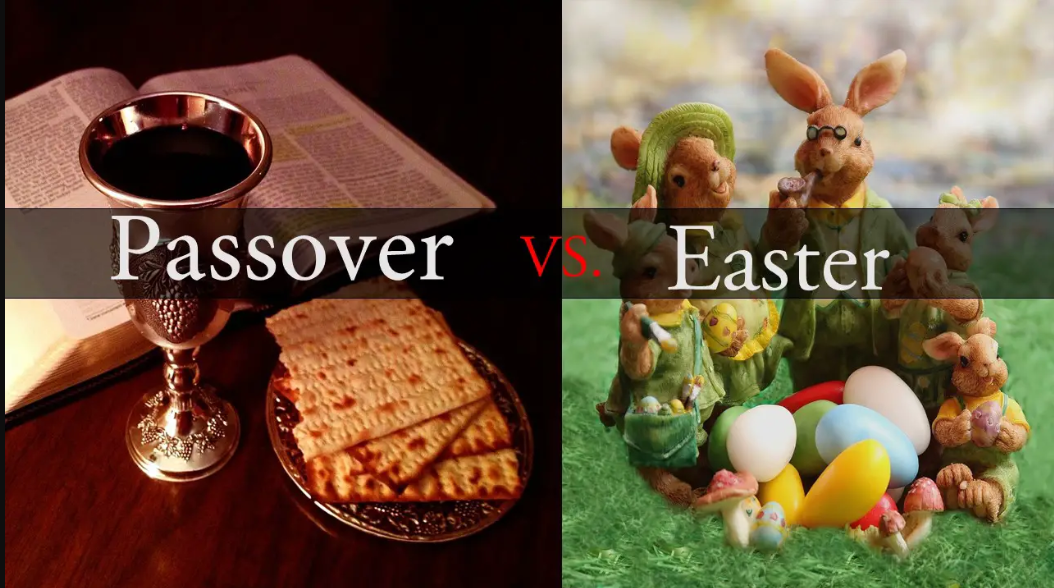
New Testament believers actually continued celebrating Passover as a memorial of the redemption accomplished by Jesus in His death.

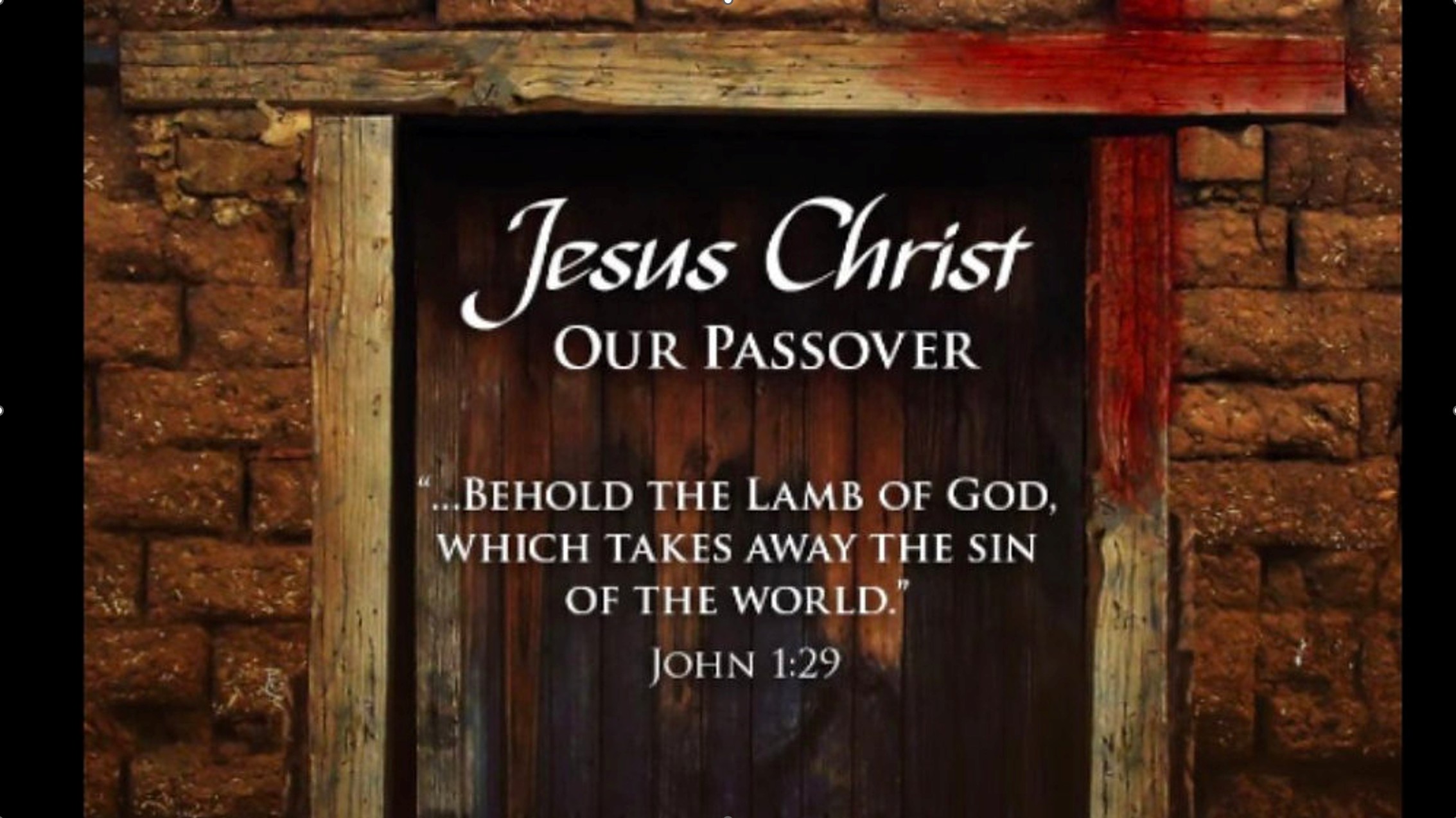
This divine foreshadowing is further shown during the Last Supper, where Jesus and his disciples were celebrating what we know as the “Passover Seder.” Jesus introduced a powerful new dimension to the historic Passover feast that Moses recorded in the book of Exodus. He explained profound meaning for the sacrifice of himself that he was about to endure, symbolizing his body and blood as the fulfilment of God’s new covenant (Matthew 26:26-28).

People commonly say the Bible flood is just a myth, a legend borrowed from ancient Mesopotamia, or just symbolic spiritual ideas. If that were true, wouldn’t you expect the story to dwindle away over time, rather than get stronger? But now, we actually have more evidence than ever, pointing to historic reality more amazing than any legend. And it’s not just from one or two isolated places, not from one culture. It’s from all over the world. When you start looking at ancient sites, things get uncomfortable fast for the skeptical atheist.

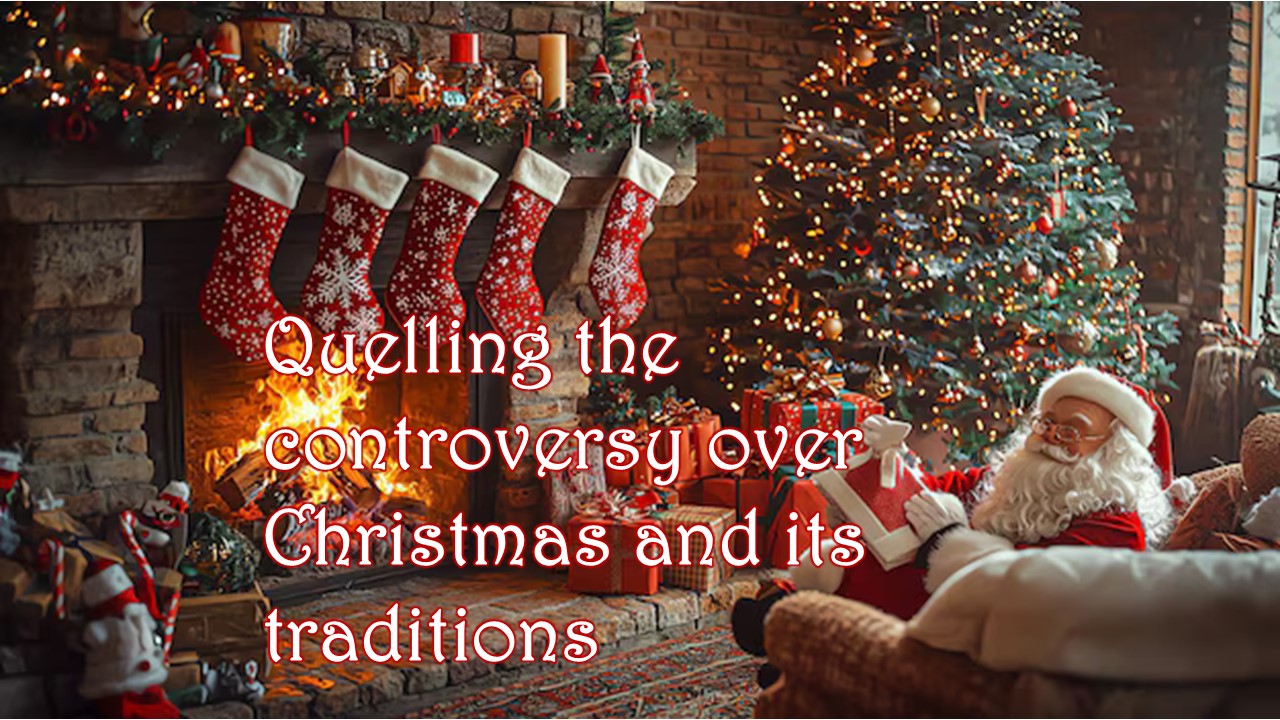
They’ve become so fed up with the modern paganization of Christmas in our society that they’ve stopped participating in Christmas celebrations, thinking of the possibility that some holiday traditions might have their roots in pagan customs. Their sincere hearts want to please God, so they’ve even given up on the idea of trying to “keep Christ in Christmas.” I certainly respect these sentiments, but as with so many things… especially the controversies of our generation… there’s nothing to be gained by allowing a lack of knowledge to destroy our family’s delight with the celebration of our Savior’s birth. The solution to the controversy… like with other controversies… is taking the time to be like the Bereans in the New Testament book of Acts (Acts 17:11) and “test all things” (1 Thes 5:21), searching the Scriptures and digging into history to see what’s true.

The modern make-believe fable of Santa began only 5 or 6 generations ago, in 1823. Would you believe that? It began with the publishing of a children’s poem called “A Visit from Saint Nicolas.” It’s pretty familiar to many English-speaking people today.
Though many additions have been added on, there really was a godly, courageous man who became a Bishop in the Christian church in 4th century in Asia Minor. His name was Nicholas. He loved Jesus enough to go into the ministry, but more than that, he was imprisoned for his faith by the Romans. He stood for the doctrine of the Trinity, and he preached against sexually immoral pagan temples, and was very generous, giving to the poor in their time of need!

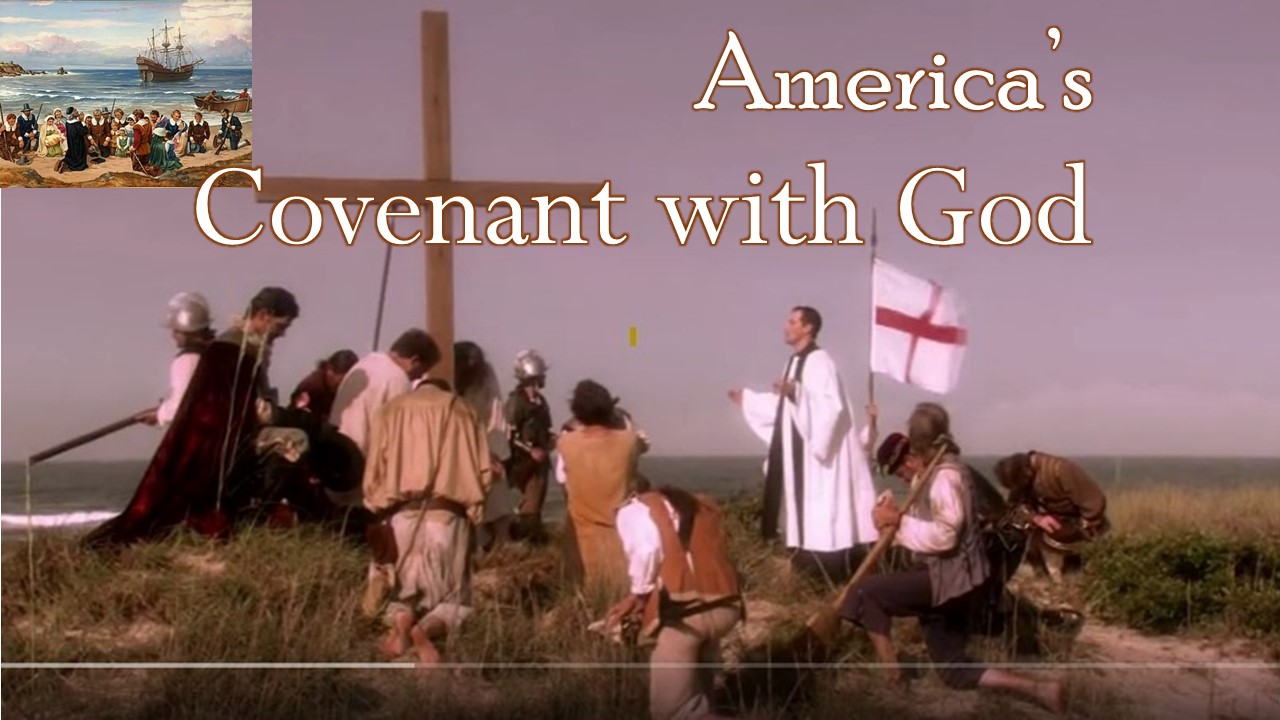
America’s Declaration of Independence is a covenant document that joins member states together under a common frame of government. On a deeper spiritual level, the Declaration of Independence is a spiritual covenant between a people and their God. To state this concept of the spiritual covenant with God another way, America consists of separate sovereign independent member states that voluntarily joined under a covenantal framework of government as “One Nation Under God. “They,” the American people, as John Quincy Adams stated “were bound by the laws of God, which they all, and by the laws of the gospel, which they nearly all, acknowledged as the rules of their conduct. They were bound by the principles which they themselves had proclaimed in the declaration.”

To better appreciate the roots of this special season for us as a people, let’s unravel the chain of events that helps us understand the implications of what led to the divinely innovative beginning of a whole new national identity.

Nobody I know does that better than my friend Bill Federer – Listen as he describes parallels between the treacherous 16th century time of the Pilgrims and our time 400 years later.

Is Thanksgiving in America a legacy worth reclaiming?
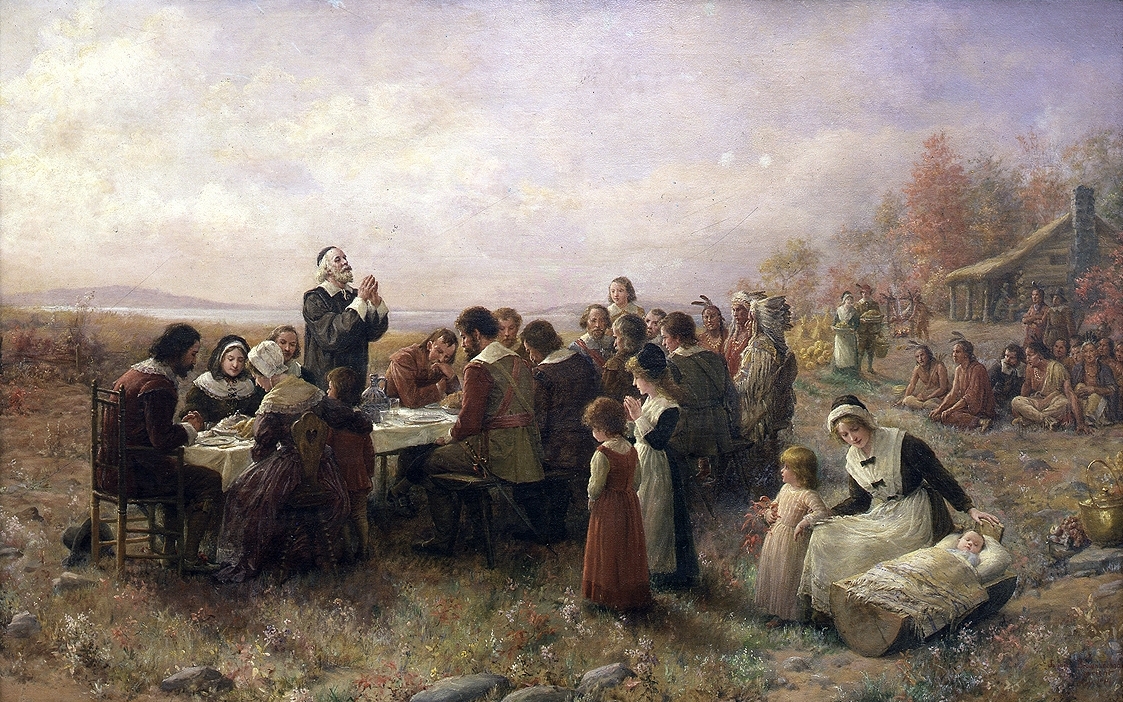
We all know the traditional Thanksgiving story of the Pilgrims, but have you considered the little-known experiences of the his-story that COMPELLED those humble believers to take such risks, posed by tyrants, to make the choices they did?

America is a nation of people with a centuries-old tradition of celebrating annual solemn days of Thanksgiving. Yet, it seems that our current generation has almost no concept of the deeply personal conviction of the crucial importance of gratitude. And it’s pretty obvious that that gratitude should most deservedly be directed to the Almighty Giver of every blessing and perfect gift in our lives.
When you’re stunned with the reality that you survived what could have been a fatal event, how does that make you feel?
Let’s look back to the time of the infancy of our American republic, two and half centuries ago.

Did you know that the word Halloween can be translated as holy night? But holy for whom? What happens when a night meant to be sacred is hijacked by rituals of death and darkness?

The word Halloween comes from something that sounds sacred. It means ‘All Hallow’s Eve,’ meaning the evening before All Saints Day. In the medieval Christian calendar, November 1st was chosen to honor believers who had died as martyrs. The night before became known as the eve of this holy day. When church leaders chose November 1st for All Saints Day, that date was already marked by ancient peoples across Northern Europe. It was a time for rituals far older than any Christian observance. The church tried to overlay a holy remembrance on top of existing pagan celebrations.