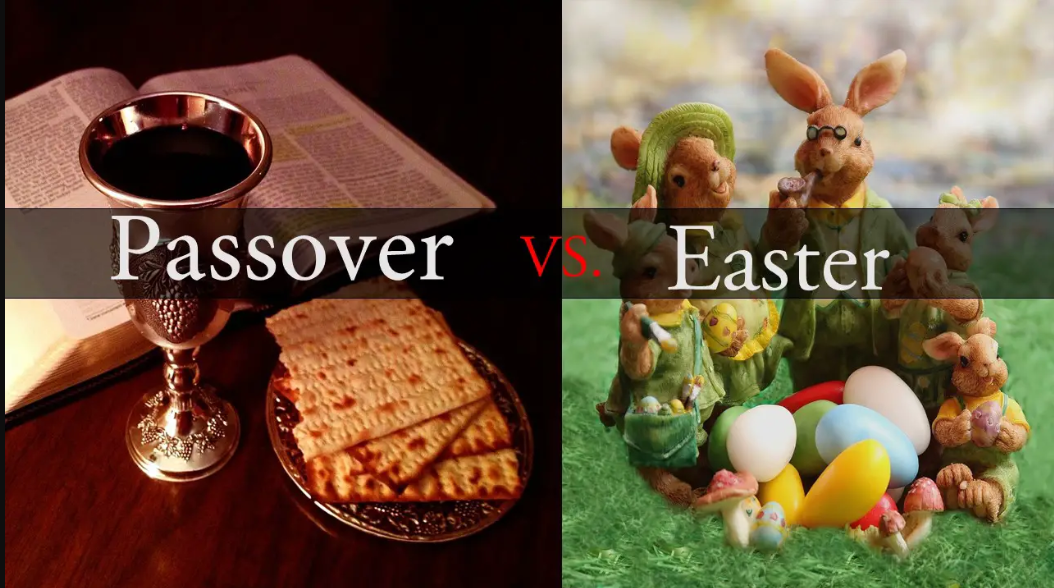
Most of us in modern church traditions have been unknowingly influenced by much lack of knowledge of historical and cultural backgrounds. It’s unfortunate that many well-meaning evangelicals take such hard positions without being Bereans to “test all things” and realize we all suffer from a “lack of knowledge” in many areas. Our opinions must not be presented as ‘dogmas’ when careful diligence in research exposes glaring inconsistencies that can make our positions embarrassing.
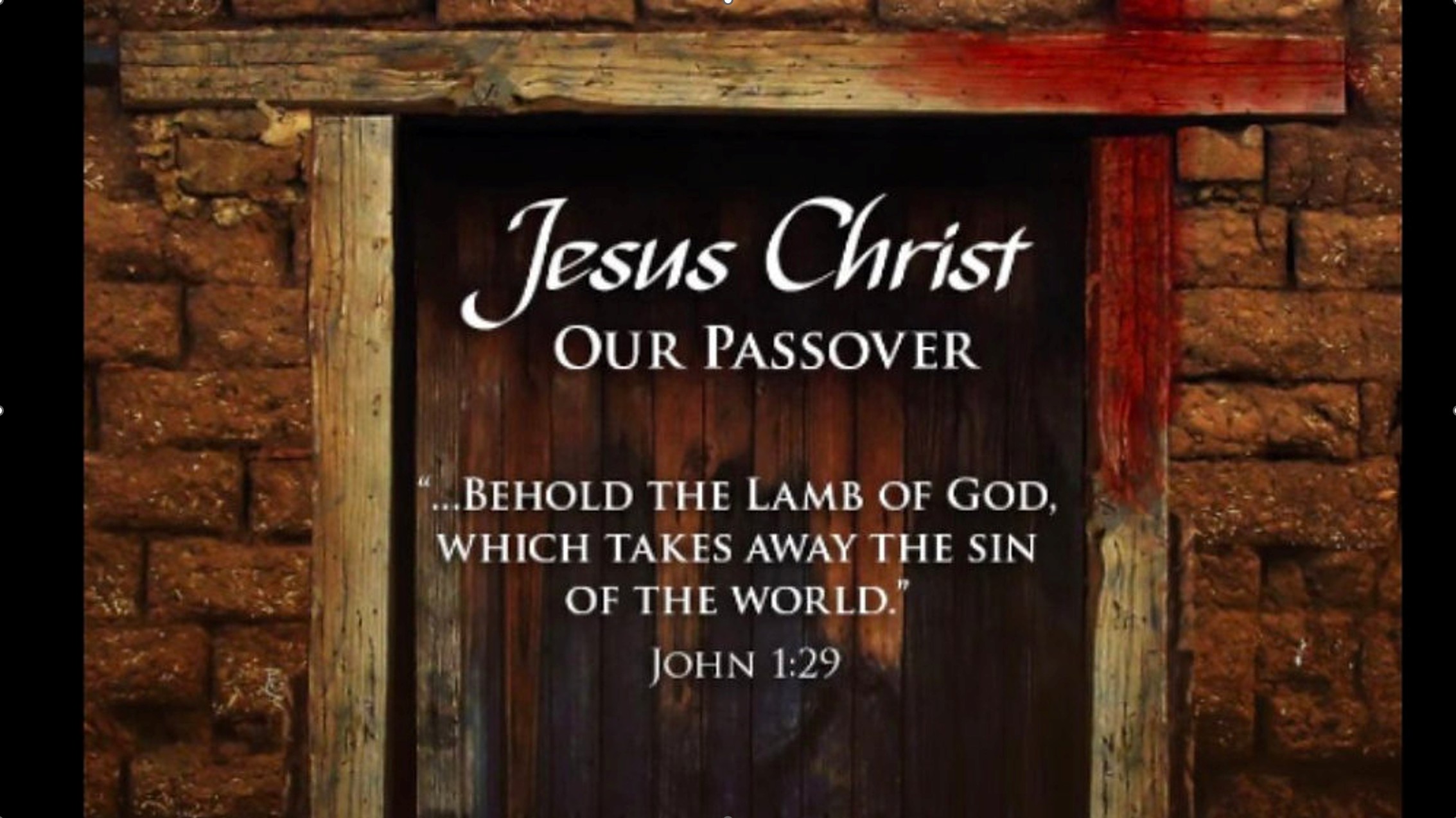
New Testament believers actually continued celebrating Passover as a memorial of the redemption accomplished by Jesus in His death.
This divine foreshadowing is further shown during the Last Supper, where Jesus and his disciples were celebrating what we know as the “Passover Seder.” Jesus introduced a powerful new dimension to the historic Passover feast that Moses recorded in the book of Exodus. He explained profound meaning for the sacrifice of himself that he was about to endure, symbolizing his body and blood as the fulfilment of God’s new covenant (Matthew 26:26-28).
Churches all over the world are often accustomed to proclaiming on the day we call “Easter”, “The Lord is Risen… followed by the refrain, “The Lord (or He) is risen INDEED!” This is the message…
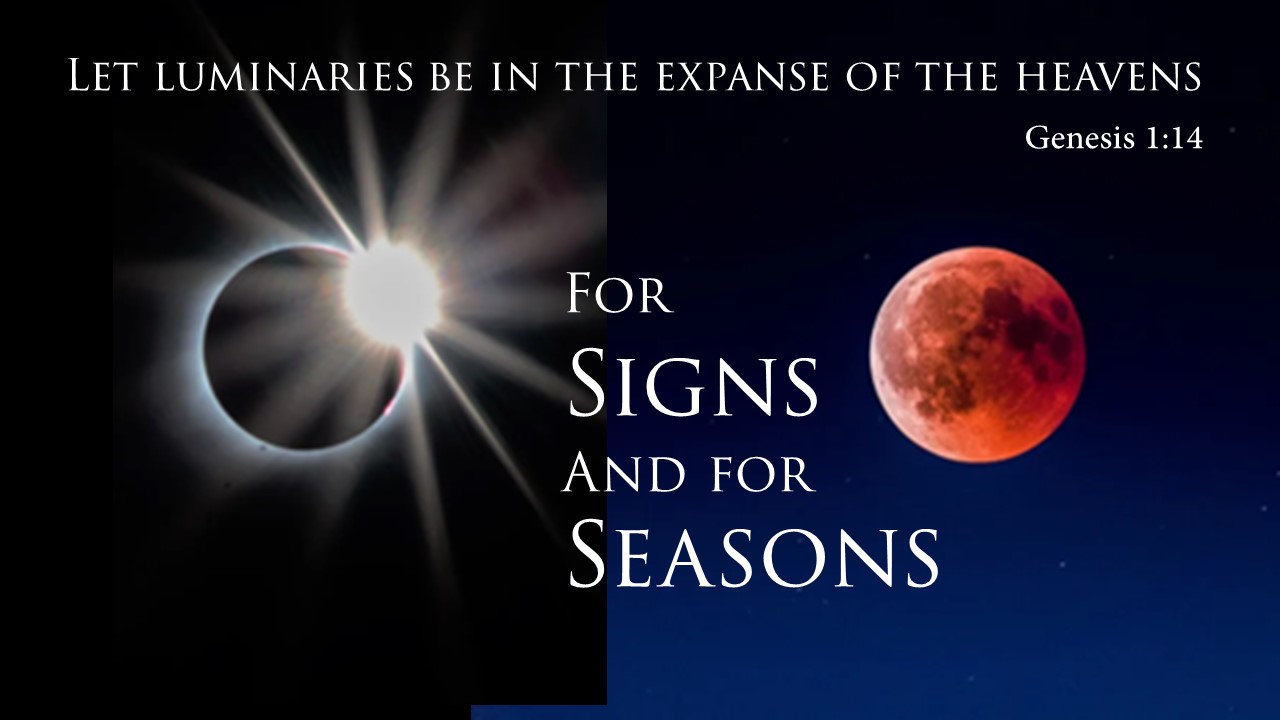
Since ancient times, human societies have had an awesome wonder for eclipses of both the Sun and the Moon. Though a total eclipse of the Sun may last only minutes, the entire event of the moon’s shadow moving across the Earth, takes a couple of hours. That spectacle has quite often been construed as an omen that indicates an impending miracle, or the wrath of God, or, most frequently, the doom of a ruling dynasty.