Many pastors who avoid debatable or political/social topics, claim they are ‘just called to preach the gospel.’ Others avoid contemporary arguments in society by sticking to their preaching and teaching schedule. These seem to be noble practices to most Christians, but do you think it’s only fair that those who sit down to dine at the table of where they get their spiritual food each week have a responsibility to humbly challenge their spiritual teachers to address controversial topics that are relevant to the issues we all struggle with that are going on in our world today?

When you think about taking a proactive change of direction to reclaim your legacy, what do you think is the most important thing that you’ve personally learned in your lifetime so far? While you make the focus of your attention on having a positive influence on your own children and grandchildren – your next generation – what truth or idea have you discovered that is such a powerful influence on your own life that you’d have to include it among the very top dozen or so important things that you have ever learned in your life?

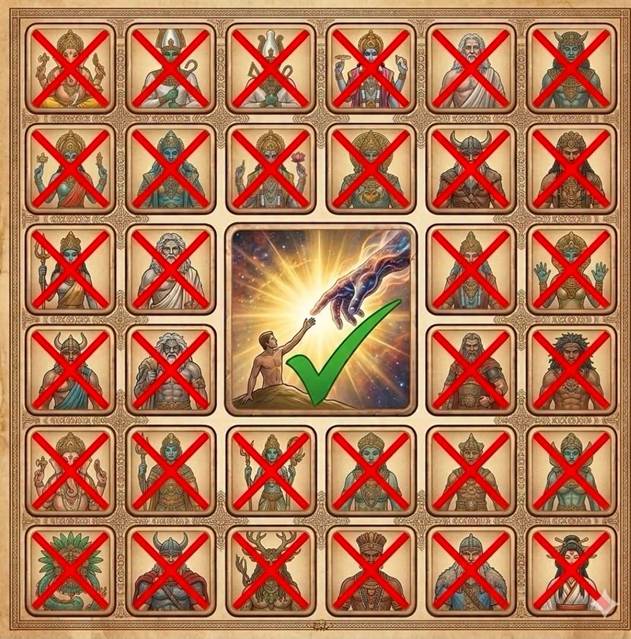
Does it matter what you believe about origins? The devil hopes you don’t think so. Maybe you’ve heard people say… “It doesn’t matter what you believe about Genesis.” “Beliefs about origins are not really important to my life.”
What do you suppose is the Number One Thing that causes God’s own children to suffer unnecessary losses, frustrations and destructions in their lives?
Remember What Jesus said about why He came?
The enemy disturbs people’s lives for a reason, why?
It’s … “to steal, kill and destroy.”
Jesus came to give his children what?
“…that you may have life and life more abundantly.” John 10:10
Abundant Life? Would you say that deception and destruction should be a part of that?
Notice what the prophet Hosea says about the one thing that affects God’s people destructively.
“My people are destroyed for a lack of… what? … Knowledge! Hosea 4:6
So, who do you think is the one who wants you to stay dense (stupid)? … in other words, do you think you should just remain ignorant about what God and true open investigation have to say about any fundamental knowledge like the topic of origins, creation and evolution?
How high of a Priority do you put on Truth? Where do you find the truth?
Remember what Jesus said? “…for this I have come into the world, to testify to the truth. Everyone who is of the truth hears My voice.” John 18:37
And what was the sarcastic comment of the one man to whom Jesus spoke these words?
Remember what the Roman Governor Pontius Pilate said?
“What is truth?” John 18:38
So why are so many people so mixed up about the truth?
Paul’s letter to believers in Rome said: “They did not like to retain God in their knowledge.” Romans 1:28
Do you think that’s why many people say… we don’t talk about religion and politics around here? They don’t want to think about God and what He has to say about the vital issues of society that everybody’s talking about.

The gospel Jesus preached demanded total surrender. He told people to count the cost (Luke 14:28). He said following Him might cost family, comfort, reputation, maybe even life itself (Luke 14:26-27). He never chased crowds by lowering the standard. When people walked away, he let them go. Contrast that with today’s approach. Churches compete for attendance. Sermons are shortened. Sin is renamed as struggle. Holiness is replaced with becoming religious, whatever that means. And the cross is softened into a mere icon of identification, or worse yet, to some, a symbol of good luck. But the gospel is not about self-improvement. It’s about self-crucifixion. Jesus said, “Why do you call me Lord, Lord, and do not do the things which I say?” Luke 6:46.

That question still echoes today. The gospel Jesus preached demanded total surrender. He told people to count the cost (Luke 14:28). He said following Him might cost family, comfort, reputation, maybe even life itself (Luke 14:26-27). He never chased crowds by lowering the standard. When people walked away, he let them go. Contrast that with today’s approach. Churches compete for attendance. Sermons are shortened. Sin is renamed as struggle. Holiness is replaced with becoming religious, whatever that means. And the cross is softened into a mere icon of identification, or worse yet, to some, a symbol of good luck. But the gospel is not about self-improvement. It’s about self-crucifixion. Jesus said, “If anyone desires to come after me, let him deny himself, take up his cross daily, and follow me.” Matthew 16:24-25.

How many Christians actually think of anything like that, when they put on their “Christian” jewelry to publicly show they are a blood-bought child of the living God?

Personal confession of Christ’s lordship is intimately connected to our deeply held conviction that Jesus has really been raised from the dead in resurrection life by Almighty God. He even goes on to say that all-in, heart-felt belief is the catalyst that actually results in righteousness – certainly right-standing with God, if not also the strong inclination to successfully live a godly and righteous life. Shouldn’t that describe you if you’re expecting to be saved?

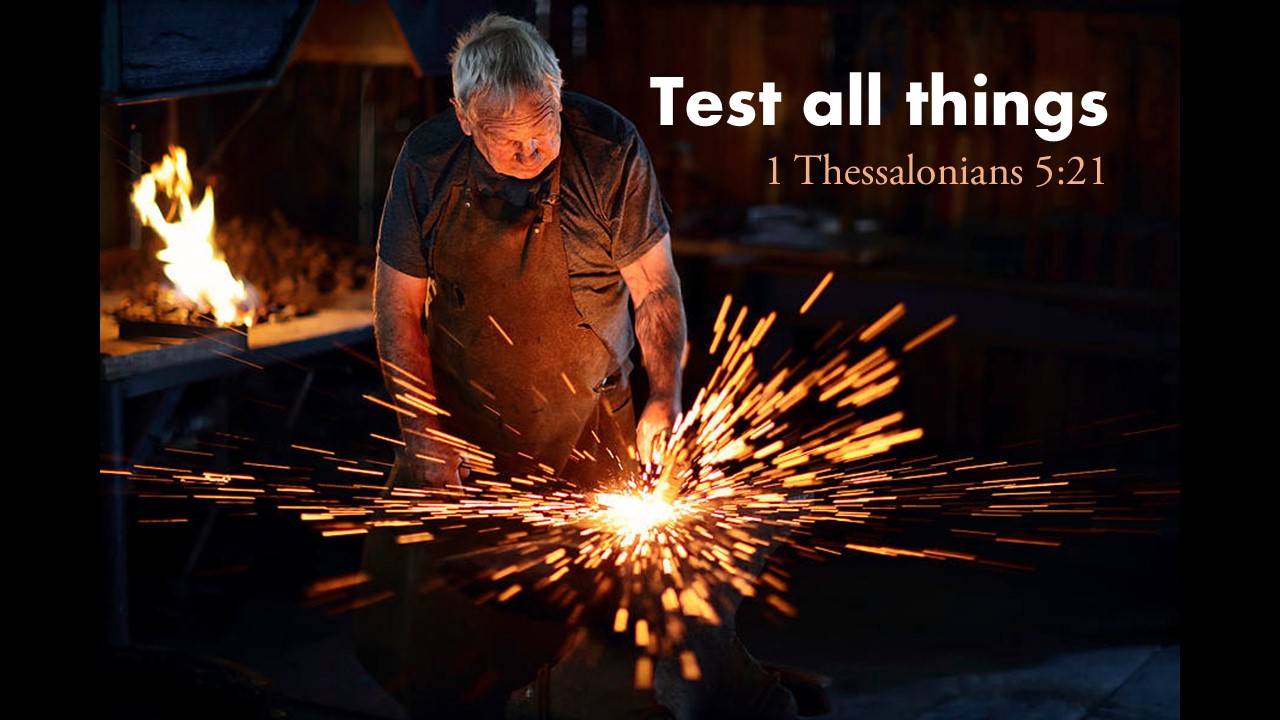
Most of us in modern church traditions have been unknowingly influenced by much lack of knowledge of historical and cultural backgrounds. It’s unfortunate that many well-meaning evangelicals take such hard positions without being Bereans to “test all things” and realize we all suffer from a “lack of knowledge” in many areas. Our opinions must not be presented as ‘dogmas’ when careful diligence in research exposes glaring inconsistencies that can make our positions embarrassing.

New Testament believers actually continued celebrating Passover as a memorial of the redemption accomplished by Jesus in His death.

This divine foreshadowing is further shown during the Last Supper, where Jesus and his disciples were celebrating what we know as the “Passover Seder.” Jesus introduced a powerful new dimension to the historic Passover feast that Moses recorded in the book of Exodus. He explained profound meaning for the sacrifice of himself that he was about to endure, symbolizing his body and blood as the fulfilment of God’s new covenant (Matthew 26:26-28).

What are all of us seeing more clearly now? The wicked controlling powers of society at all levels of politics, information distribution, and corporate business… mesmerized most of the population for generations. Common sense was almost lost. Americans were conditioned to not think for themselves. But with all the exposure of evil in the years since the gross manipulation of public thought during the Covid Plandemic, things have greatly changed. But that doesn’t mean it’s okay for truth-tellers to kick back.

People commonly say the Bible flood is just a myth, a legend borrowed from ancient Mesopotamia, or just symbolic spiritual ideas. If that were true, wouldn’t you expect the story to dwindle away over time, rather than get stronger? But now, we actually have more evidence than ever, pointing to historic reality more amazing than any legend. And it’s not just from one or two isolated places, not from one culture. It’s from all over the world. When you start looking at ancient sites, things get uncomfortable fast for the skeptical atheist.

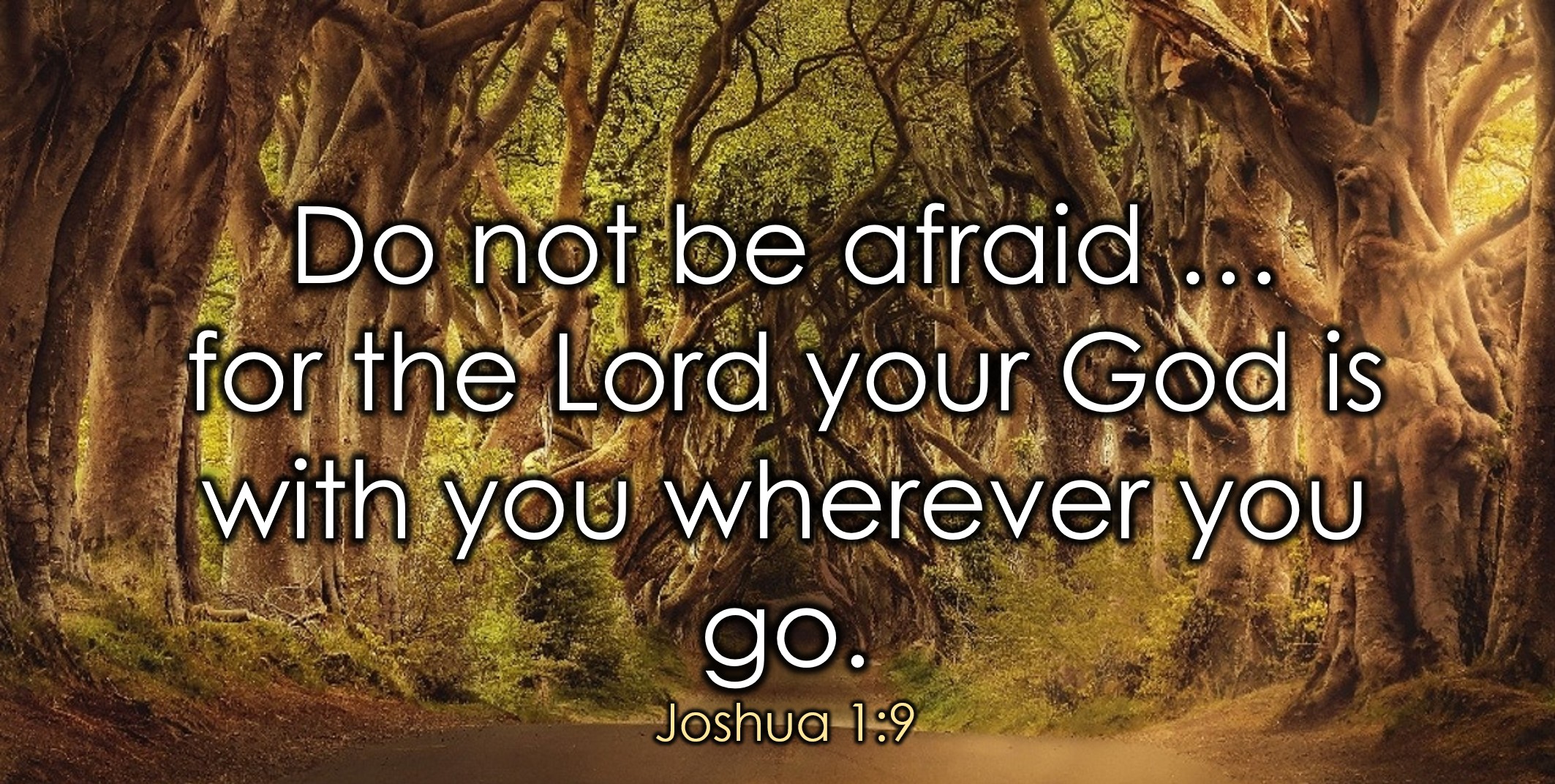
Critical times require critical thinking. The art of Biblical war absolutely hinges on knowing the patterns of God’s unchanging nature. The wisdom of those patterns are clear directions… but they’ve been obscured by teachings that have been labeled as “post-modern Christianity.” Remember God’s clear direction to Joshua? He was assigned the leadership of Israel’s armed and trained young men as they crossed the Jordan, preparing to conquer Canaan.